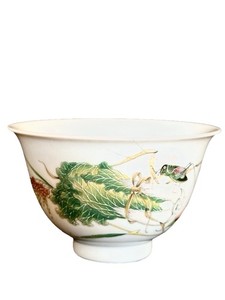
Home / Collection / Vintage & Collectible Jingdezhen Porcelain
Vintage & Collectible Jingdezhen Porcelain
Explore famille rose, sgraffito and other decorative porcelain in our collection, with links to photographs and purchase details for each piece.
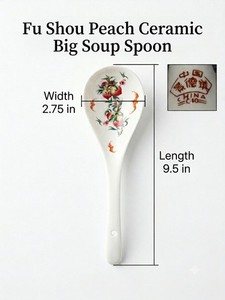
Vintage Jingdezhen Porcelain Serving Soup Spoon Peach Bat Chinese Ceramic 9.5"
Check availability on eBay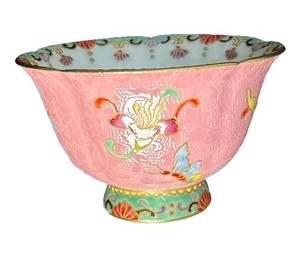
VINT 1970s Jingdezhen Famille Rose Sgraffito Porcelain 'Press-Hand' Cup
Check availability on eBay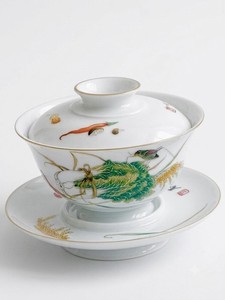
Rare Jingdezhen Famille Rose Gaiwan Cabbage Tea Bowl with Saucer
Check availability on eBay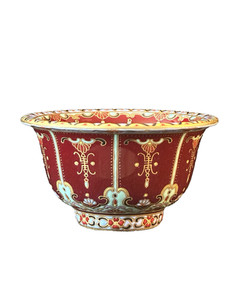
Rare Langhong Dunhuang Diplomatic State Gift Red Teacup Jingdezhen Gilt
Check availability on eBayChoose the object before the label
A search for collectible Jingdezhen porcelain can lead to very different objects: a small tea cup, an enamel-decorated bowl, a gaiwan or a serving piece. Start with the form you would enjoy owning and the details you can actually inspect. A clearly photographed modest piece can be easier to evaluate than an impressive title with little supporting information. Compare measurements, decoration, condition and the available history before treating two listings as equivalent.
Famille rose: read the palette
Famille rose describes an enamel palette associated with shades of pink. The Metropolitan Museum of Art explains this terminology in its record for a Jingdezhen dish painted with overglaze enamels and gold. That reference provides useful visual context for the term; it does not authenticate a separate object offered for sale. In our collection, follow the individual listings to compare the painted motifs, color, gilding and finish in photographs of the actual pieces.
Look beyond the front photograph
When reviewing a cup described as sgraffito, ask for close views of its background decoration rather than relying on the word alone. Then examine the rim, interior and foot. These quieter areas can matter greatly to a collector because wear, chips, cracks or restoration may be less apparent in the main decorative photograph. Look for photographs with enough light and resolution to compare surfaces across the whole object.
Read dates and marks in context
A listed date, dynasty reference or reign mark is information to investigate alongside the object. Keep the seller's attribution separate from independently documented history. Request a clear base photograph and ask what supports the proposed period when age is material to your decision. A name or mark by itself does not replace condition information, provenance or specialist assessment. Our press-hand cup page identifies its 1970s date as a catalog attribution so that you can review that claim in the full listing.
Match the form to your collection
A gaiwan offers a different presentation from a single cup; a raised-enamel bowl emphasizes a different surface from a painted serving spoon. Decide whether your priority is display, a particular motif, a coordinated group or a specific ceramic technique. Read the measurements carefully and consider the space where the piece will sit. If you intend to use a vintage object with food or tea, ask for relevant material and use information rather than assuming suitability from its traditional form.
Keep a record of the piece
Save the listing description, photographs, measurements and any accompanying documentation when buying. Record condition details and the seller's attribution separately. This makes later comparison easier and preserves the information you had at the time of purchase. For storage or display, choose a stable surface and avoid arrangements where rims, handles or delicate decoration touch neighboring pieces.
Browse the objects below, then open the current eBay listing for price, availability, shipping and return terms. For a broader view, explore our Chinese tea and ceramics collection or compare the Japanese ceramics collection.
Reference: The Metropolitan Museum of Art: Dish with scene of a woman and children.